Chemical Stripping of Lead-Based Layers

Many crews apply chemical stripper too thin and fail to reach the substrate. Details found at santa monica house painting footy for food explain the chemical dwell times required for legacy coatings in Santa Monica, CA. A painter must account for the specific density of old oil based layers before any new latex application occurs. Proper containment in Santa Monica, CA prevents dust from migrating into living areas.
Chemical dwell and substrate preparation
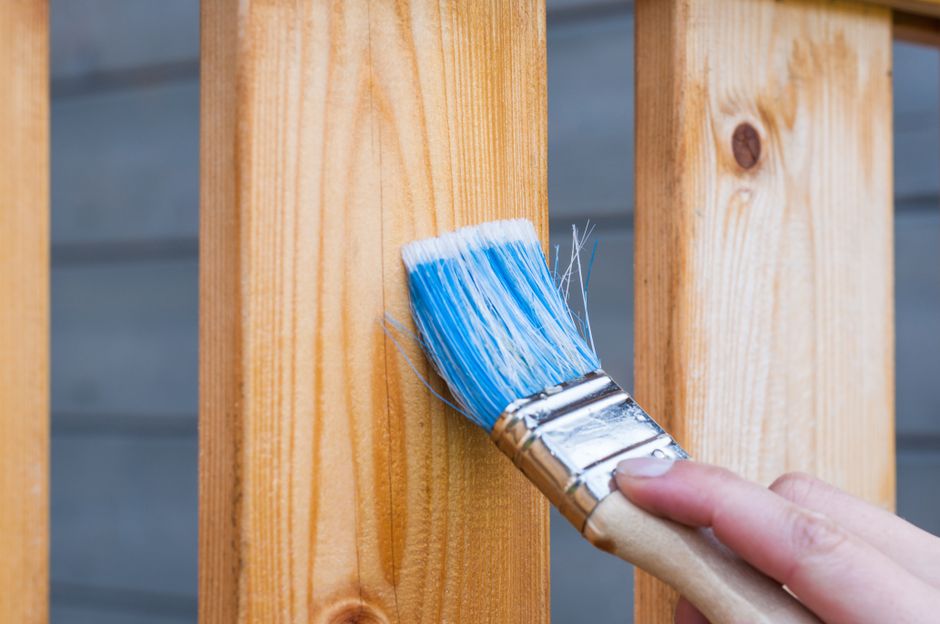
Old layers of enamel require a heavy application of stripper to penetrate the mil thickness. Applying a thin layer leads to uneven removal and trapped residue. The chemical must sit on the surface until the bond breaks. Scraping begins once the coating blisters. This process reveals the wood or plaster underneath. Any remaining residue will cause the new primer to fail. A clean surface requires more than a quick wipe. It needs a thorough neutralizing step to ensure the chemistry of the next layer holds.
Surface stabilization and repairs

Stripping often reveals cracks in the plaster or deep gouges in the wood. Patching these areas requires the right filler for the specific substrate. Spackle works for minor surface imperfections, but deep voids need a heavier compound. Once the repairs dry, sanding provides a flat surface. Moving from coarse to fine grit prevents visible scratches under the new finish. A scuff sand on the edges of the patches ensures the transition is seamless. This prevents the new coating from telegraphing the repair work through the final sheen.
Coating application and mil thickness
The first layer of primer must seal the stripped area completely. Using an oil based primer on old wood prevents tannin bleed. After the primer dries, the topcoat provides the final protection. Applying two coats ensures the desired coverage and durability. A sprayer provides a smooth finish, but a roller with a specific nap offers better control in tight corners. For residential walls, an eggshell or satin finish hides minor imperfections better than a high gloss. The thickness of the film dictates how long the finish lasts against the coastal air.
Environmental containment protocols
Lead dust management is the primary concern in older Santa Monica, CA structures. Wet sanding or chemical stripping reduces the risk of airborne particles. Plastic sheeting must seal all vents and doorways. Every tool used in the stripping process requires cleaning in a controlled zone. Disposal of the sludge must follow local regulations for hazardous waste. Leaving any residue behind compromises the entire project. A clean site is the only way to ensure the next phase of the work proceeds without contamination.