Substrate Chalking
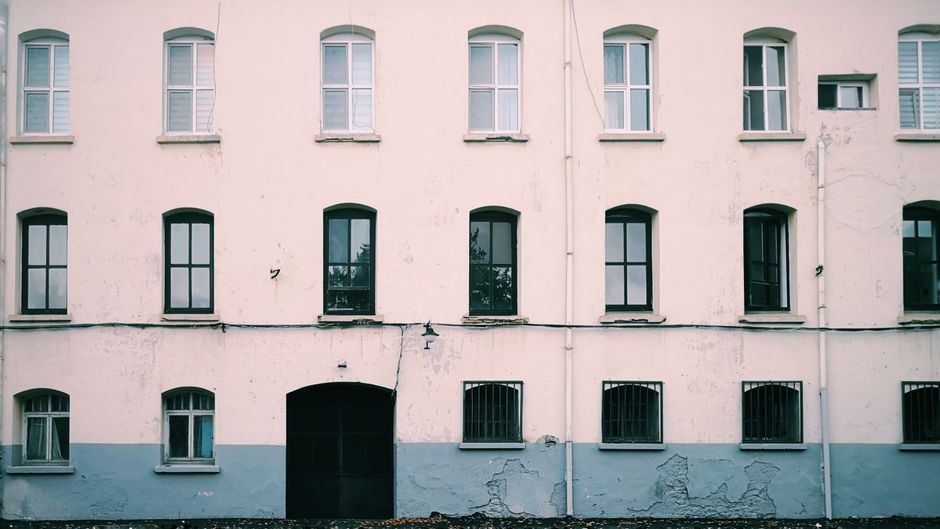
Under high UV exposure, the structural integrity of an exterior coating fails much faster. The running record santa monica house painting footy for food holds shows that local paint work in Santa Monica, CA undergoes intense solar degradation. This process breaks down the binder holding the pigment together, leaving a white, powdery residue on the surface. When a finger is rubbed across a faded wall, this dust indicates that the original acrylic or latex film has reached the end of its life cycle. A simple wipe reveals the loss of adhesion between the pigment and the substrate.
The Mechanics of Binder Breakdown

Chalking occurs when the chemical bonds in the resin fail. In the coastal environment of Santa Monica, CA, salt air and intense sunlight accelerate this oxidation. The pigment particles lose their suspension and sit loosely on the surface. Applying a new topcoat directly over this powder leads to immediate failure. The new layer will not bond to the substrate because the powdery residue prevents proper adhesion. Mechanical removal of the loose material is a requirement before any new application begins.
Surface Preparation Protocols

A thorough cleaning is the first step in addressing a chalking surface. Pressure washing or vigorous scrubbing with a stiff brush removes the loose pigment. Once the surface is dry, a scuff sand helps to create a mechanical profile for the new coating. If the substrate shows signs of previous failure, patching with appropriate filler may be necessary. For many residential projects, two coats are required to ensure the new film reaches the necessary mil thickness for durability. A high quality primer must be used to seal the surface after the chalking layer is removed.
Coating Selection and Application
Selecting a coating with high UV resistance is necessary for the local climate. An acrylic emulsion generally performs better under sun exposure than older oil based products. The chosen sheen, whether flat, eggshell, or semi gloss, affects how light reflects off the surface and how much heat is absorbed. A sprayer can provide even coverage, but a roller with a specific nap often allows for better control on textured surfaces. The thickness of the film dictates how long the binder survives before the cycle of chalking begins again.
Testing for Adhesion and Residue
A wet rag test identifies the severity of the degradation. If the cloth comes away heavily coated in white dust, the existing film is too far gone for a simple refresh. Heavy chalking often requires a complete strip or a very aggressive wash. Ensuring the surface is clean and dry allows the primer to bite into the substrate. Proper preparation prevents the new topcoat from peeling or bubbling shortly after the job is finished.